Opinion
A Nation of Gamblers Should Build Something
America’s appetite for risk needs a better outlet.
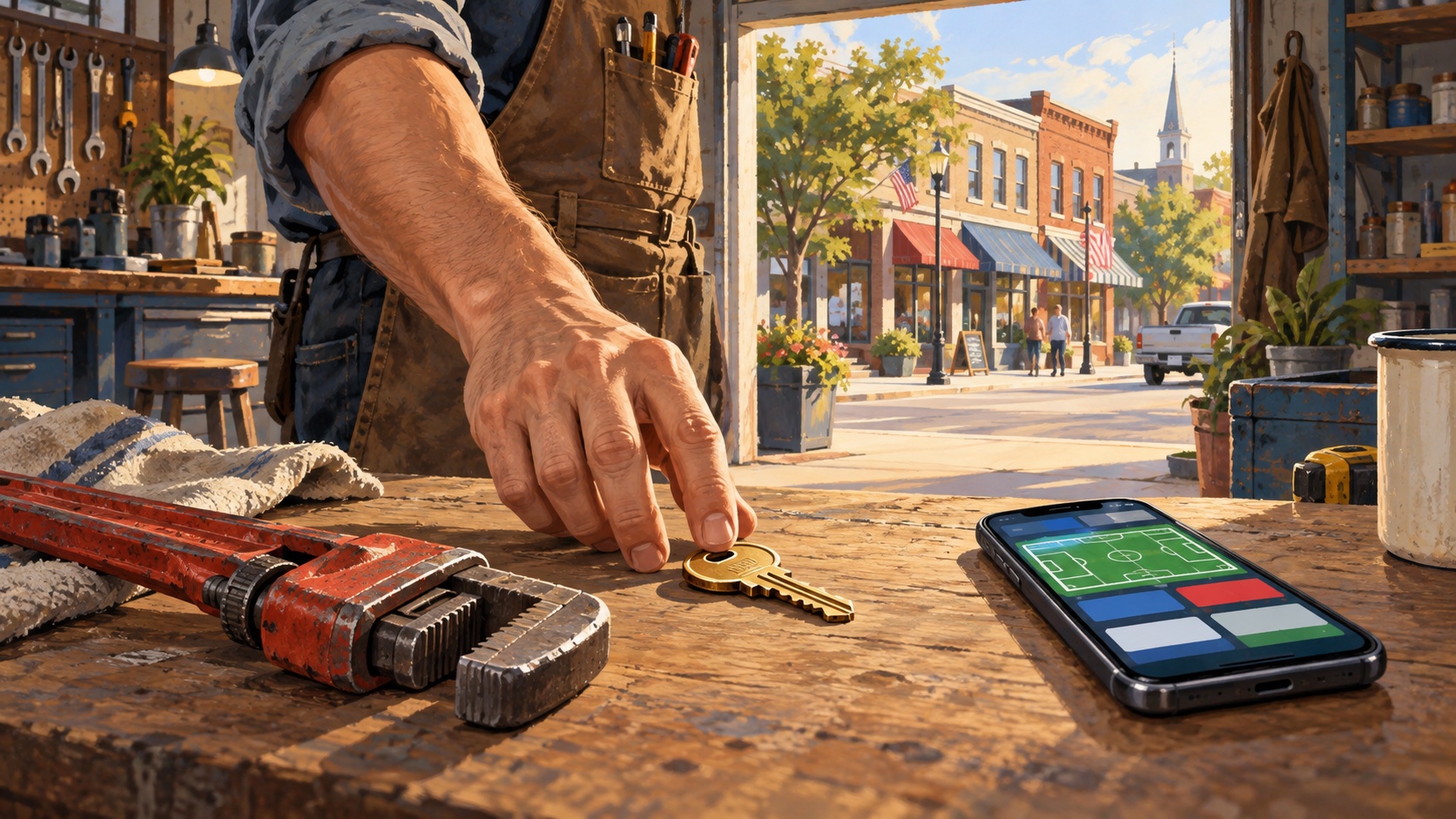
America is a nation of gamblers. We want more, and we're willing to take a chance to get it. I think that's one of our best qualities. The economic engine still works: businesses can make useful things and earn profits. But an economy should also give people a chance to own what they help build. That's where I think we're falling short. Betting is easy to enter and heavily promoted, with a possible payoff tonight. I want a clearer, more rewarding route into ownership.
A plumber who opens a business takes a risk. The company might fail. If it works, customers get their homes fixed, employees earn a living and the owner builds something that can keep earning money. A sports bet works differently. The payout comes from the money staked, with the operator keeping a cut. Across everyone involved, it's a zero-sum transfer; bettors as a group pay the house. Watching a game with money riding on it can be fun. It doesn't give you a share of a business producing something useful.
A phone keeps that possible payout close. You can bet on the next basket, then the next outcome, with promotions giving you another reason to return. In an experiment with 622 men under 40, offers increased spending on experimental bets by more than 10% and encouraged worse betting choices. The experiment used Euro 2024 matches and raffle-based rewards. A game supplies another outcome to bet on; an offer supplies another reason to act on it. The industry's own trade group reports $16.89 billion in commercial sports-betting revenue in 2025, up 22.6%. That's after payouts, before expenses and taxes.
Betting can also compete with the money people put into investments. A Journal of Financial Economics study estimates that legal online sports betting reduced net deposits into investment accounts. The authors report a 56% reduction among frequent bettors in their sample. That's less money going into investments, not a 56% loss in existing portfolios. The authors suggest some households compare betting with investing as ways to make money. In the same study, spending around Taylor Swift's Eras Tour ticket releases showed no detectable drop in investing or rise in borrowing. That bothers me: people can reach for a payout and end up putting less money toward owning assets. Money is part of the appeal—67% of sports bettors in an Urban Institute survey cited winning money. Many also cited fun. Most bet infrequently, and wealthier adults were more likely to participate. This isn't simply a story about desperation.
If we want people to put the urge to get ahead into something they can own, ownership has to be a realistic goal. A business can be productive and profitable while the people doing the work have little say in it and no clear path to becoming owners. That's the part of the economy I think is broken.
The same question applies when a local business changes hands. Does the sale give someone a chance to become an independent owner, or bring the business into a larger investment group? In 2025, Goldman-backed Sila announced purchases of two Chicago-area heating and plumbing businesses. A private-equity owner may run them better. That doesn't settle who gets a chance to own them.
Buying stock offers a financial stake, though it can lose money and doesn't give you the control of running a local business. Even that participation is uneven: in 2022, 34% of families in the bottom half by income owned stock directly or indirectly, compared with 95% in the top 10%. Stock ownership had grown. I want more people to share in it. Starting a business presents another hurdle: 45% of working nonowners cited lack of capital in Gallup's 2025 report. Telling people to become entrepreneurs doesn't supply the money.
Small-business lenders and advisers should help employees and capable local buyers prepare and finance viable purchases when owners plan to retire. Ward Lumber's employees bought the New York business as a cooperative in 2021, with financing and business-planning help. The owner stayed on as CEO, reporting to an employee board. Those workers gained a financial stake and a say in how the company is run. That is what I want the economy to offer more people.
Offers can encourage saving, too. A 2005 randomized experiment with US tax filers found that matching contributions increased retirement-account participation. Put money toward your future and get money added to it. Employers and government should expand access to matches. I want the reward for saving to be as clear as the bonus for another bet. Matches and employee buyouts aren't proven gambling remedies. They give people a concrete way to participate in productive growth.
On betting, I want states to move toward licensed venues. Going somewhere means setting aside time for the activity. A phone can turn every pause in a game into another chance to wager. Adults should be able to enjoy an occasional bet; I want some distance between the impulse and the wager. Where phone betting continues, end bonus offers that recruit more bets. Legal operators can offer protections, and restrictions can send customers to illegal ones. States should measure whether their rules reduce harm or move betting elsewhere. That risk matters. I still think authorizing constant access and recruitment was a mistake.
I want people to see a reason to put their work and savings into something that can grow. If we're going to ask them to build out the world, they should have a chance to own some of it and share in the gains.